


 Coastin Carl
🇺🇸 ALABAMA Day ORIGIN & HISTORY
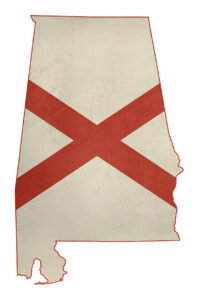
National ALABAMA Day is celebrated on the 14th Day in December. Did you know on this day in 1819, Alabama officially joined the USA as the 22nd state? That’s right, this Southern gem has been a part of the country for over 200 years! Alabama is a true Southern treasure known for its friendly folk, delicious food, and beautiful scenery.
REASONS & GOALS behind the Holiday
- Honor Alabama’s heritage: Recognize the state’s deep-rooted history, from its indigenous roots to its role in the Civil War and the Civil Rights Movement. Raise awareness of Alabama’s unique culture, history, and contributions to the nation.
- Celebrate Alabama’s achievements: Promote collective pride and unity among Alabamans. Highlight the state’s contributions to the fields of science, technology, literature, and music.
- Attract visitors: Boost tourism to the state, supporting local businesses and economies by attracting visitors. Encourage visitors to explore Alabama’s diverse attractions, including its natural beauty, historical sites, and cultural offerings.
WHY December 11th?
National ALABAMA Day is observed on December 14th, the same day Alabama was admitted to the Union as the 22nd state in 1819. This date was chosen to honor Alabama’s history and its official entry into the United States.
EARLY Alabama History
Alabama’s early history is rich with Native American cultures like the Cherokee, Chickasaw, Choctaw, and Creek tribes, who lived in the region for thousands of years. More than 10,000 years ago, some of the earliest inhabitants lived in areas like Russell Cave. Spanish explorers, believed to have first visited Mobile Bay in 1519, were among the first Europeans to arrive. Hernando de Soto explored Alabama in 1540.
This area was controlled at different times by England, France, then Spain once again. In 1702, the French established the first permanent European settlement at Fort Louis de la Mobile. The region later came under British control following the Treaty of Paris. After the American Revolution, Britain ceded the Alabama Territory to the U.S. and Spain through the Treaty of San Lorenzo in 1795. This treaty set the stage for American expansion into the area!
Path to STATEHOOD
As settlers moved into the Alabama Territory, tensions with Native American tribes, particularly the Creek Nation, led to conflicts and the Creek War of 1813-1814. With their defeat at the Battle of Horseshoe Bend, by future President Andrew Jackson, large land cessions, accelerated settlement by American pioneers.
In 1817, the Alabama Territory was created by splitting the Mississippi Territory. The territory quickly grew in population with fertile land ideal for cotton farming, which attracted settlers from other Southern states.
Alabama became a U.S. state on December 14, 1819, joining as the 22nd state under President James Monroe. The state’s early economy depended heavily on agriculture, particularly cotton farming, which relied on enslaved labor.
During the 19th century, Alabama saw the founding of the Confederacy in Montgomery in February 1861, and the city served briefly as the Confederate capital. Post-Civil War, Alabama underwent Reconstruction and began diversifying its economy, with significant industrialization occurring in the latter part of the century.
Alabama in the 19th CENTURY
The late 19th century marked a period of economic recovery and industrial growth for Alabama. The state’s economy, previously dominated by agriculture, began to industrialize, with significant developments in coal, iron, and steel production, particularly in Birmingham (the “Pittsburgh of the South”).
The Tuskegee Institute, founded in 1881 by Booker T. Washington, became a center for African American education and agricultural research, with George Washington Carver carrying out his famous work there.
MODERN Life in the State
The mid-20th century saw Alabama as a central battleground in the Civil Rights Movement. Landmark events such as Rosa Parks’ defiant act during the Montgomery Bus Boycott, and the 1965 Selma to Montgomery Marches, played crucial roles in the struggle for racial equality. These events, often led by people like Martin Luther King Jr, left an unforgettable impact on both the state and the nation!
Today, Alabama is a blend of historical legacy and modern industrial growth. The state is a major producer of paper, chemicals, rubber, plastics, textiles, and automobiles. Birmingham remains a hub for coal, iron, and steel, and is also home to a world-renowned medical center. Alabama ranks high in the production of poultry, soybeans, milk, and various agricultural products.
The state’s economy continues to be diverse, with significant contributions from manufacturing, agriculture, and healthcare. Despite challenges like the destruction caused by Hurricane Katrina in 2005, Alabama remains a resilient and vibrant state!
ALABAMA STATE Motto
“Audemus jura nostra defendere”
(We dare defend our rights)
🐘 HOW to Celebrate & Observe ALABAMA Day?
Not sure how to LOVE the day? We’ve got a few interesting ideas to consider that may help get you started.
Here are some activities that you can do on National ALABAMA Day!
💙 Learn Alabama’s Resilient HISTORY
Dive into the rich history of Alabama by visiting museums, historical sites, or heritage centers. Take the opportunity to educate yourself about the pioneers, indigenous cultures, and significant events that shaped Alabama’s past.
Alabama’s history is marked by significant challenges and transformations, from early indigenous civilizations and European colonization to its role in the Civil War and the Civil Rights Movement. Despite these challenges, Alabama has continually adapted and evolved, demonstrating resilience throughout its history.
💙 Explore Alabama MOVIE BACKDROP filming locations
Alabama has been a popular filming location for various movies and TV shows. Its picturesque landscapes, charming towns, and rustic settings have made it an attractive choice for filmmakers. Here are a few notable films and TV shows with scenes shot in Alabama:
- To Kill a Mockingbird (1962): Although the movie was primarily filmed on a Hollywood set, the fictional town of Maycomb is based on Monroeville, the hometown of author Harper Lee.
- Selma (2014): The city of Selma and the Edmund Pettus Bridge were pivotal locations in this historical drama, which depicts the 1965 Selma to Montgomery marches for voting rights.
- 42 (2013): Rickwood Field in Birmingham was used to recreate the old Ebbets Field for this biographical film about baseball legend Jackie Robinson.
- Under Siege (1992): This action film starring Steven Seagal filmed scenes on the USS Alabama battleship, now a museum ship docked in Mobile Bay near Fairhope.
- Close Encounters of the Third Kind (1977): Portions of this classic sci-fi film were shot in Mobile, particularly the train depot scenes.
- Failure to Launch (2006): The Old Prattville Mill and surrounding Montgomery areas served as filming locations for this romantic comedy.


💙 Oh PLAY me some MOUNTAIN Music: Alabama’s Tapestry of Sound
From Appalachian music to black Southern gospel, blues, country, rock, and now a Latino influence, Alabama’s rich music scene has produced influential artists across genres.
The state has given rise to legendary figures like Hank Williams, Nat King Cole, and Lionel Richie, as well as iconic bands like Alabama and The Commodores.
Other great Alabama musicians include Percy Sledge, Emmylou Harris, Wilson Pickett, including the “Father of the Blues”, WC Handy.


💙 Visit unique FACTORY TOURS in the State of Alabama
Alabama offers a variety of local factory tours that provide fascinating insights into the state’s artisanal and manufacturing traditions. These tours can be educational, entertaining, and an excellent way to learn about local industries and see how things are made. Remember to visit their website or call ahead to make sure the tours are still on!
Here are some factory tours you can visit in Alabama:
- Priester’s Pecans: Located in Fort Deposit, the tour at Priester’s Pecans shows how pecans are processed from shelling to packaging. Visitors have the opportunity to sample various pecan products.
- Blue Bell Creameries: Based in Sylacauga, the tour showcases how Blue Bell’s famous ice cream is produced. Visitors see the production and packaging processes and get to sample a variety of ice cream flavors.
- Unclaimed Baggage Center: This unique tour situated in Scottsboro provides insight into how unclaimed baggage from airlines is processed and sorted. Visitors can explore the sorting facility and shop for unique items.
- US Space & Rocket Center: Huntsville provides a fascinating look at the history of space exploration. While not a traditional factory tour, it offers insights into the manufacturing and assembly of rockets and space hardware.
- Mercedes-Benz U.S. International: Located in Vance, the tour offers a behind-the-scenes look at the manufacturing of various Mercedes-Benz models, including SUVs. Visitors get to see the assembly line in action and learn about the production process on a two-mile walking tour that lasts about an hour and a half. Be sure to call ahead to confirm they’re currently accepting visitors, as they sometimes temporarily suspend tours.
- Honda Manufacturing of Alabama: This tour provides an in-depth view of how Honda vehicles, including the Odyssey, Pilot, and Ridgeline, are produced in Lincoln. Guests can explore the assembly line and gain insights into the manufacturing process.
- Barber Vintage Motorsports Museum: Situated in Birmingham, this museum not only showcases an extensive collection of motorcycles and race cars but also offers tours of the workshop where these vehicles are restored.
- Sloss Furnaces National Historic Landmark: Located in Birmingham, this historic site offers guided or self-guided tours that explore the iron production process, the history of the furnaces, and the people who worked there. Operating from 1882 to 1971, iron and steel was the soul of Birmingham, Alabama.
- Tiffin Motorhomes: Based in Red Bay, this factory offers tours at any of its three locations. Visitors can see how luxury motorhomes are built from the ground up in about 1.5 hours.
- Blue Ribbon Dairy: Located in Tallassee, this 4th generation family dairy farm offers tours where visitors can see the process of milk production and learn about dairy farming operations. Join them for a birthday celebration, a pony ride, or just as a special visitor.
- BDA Farm: Situated in Uniontown, this organic farm offers tours that showcase sustainable farming practices for organic vegetables, fruits, and meats.
💙 Try some Alabama-inspired CUISINE
In Northern Alabama, the cuisine is known for its unique white barbecue sauce and a variety of traditional Southern dishes. In contrast, Southern Alabama’s culinary scene is heavily influenced by its proximity to the Gulf of Mexico, with seafood dishes like fried catfish, shrimp and grits, and seafood gumbo being particularly prevalent.
Celebrate ALABAMA Day by eating your way through the Yellowhammer State. Visit local restaurants that highlight regional flavors and ingredients. Here are just a few examples of Alabama’s unique and diverse culinary offerings.
- White Barbecue Sauce: A North Alabama specialty, this tangy and creamy sauce made from mayonnaise, vinegar, lemon juice, black pepper, and horseradish is typically served with smoked chicken or turkey. Bob Gibson of Decatur Alabama created the mayo-based sauce in 1925 served with smoked or grilled chicken.
- Pulled Pork: Slow-cooked pork shoulder, often smoked over hickory wood and shredded, served with a tangy vinegar-based sauce. It’s a staple at barbecues and family gatherings.
- Ole Hickory Banana Pudding: Made with fresh bananas, vanilla wafers, meringue, and custard.
- Fried Catfish: Fresh catfish fillets are coated in seasoned cornmeal and fried to a golden brown. This dish is often served with hush puppies (deep-fried cornmeal balls), coleslaw, and tartar sauce.
- Gulf Shrimp: Shrimp from the Gulf of Mexico are a highlight of Alabama cuisine. They can be boiled, fried, or grilled and are often featured in shrimp and grits or seafood gumbo.
- Lane Cake: An Alabama specialty, this layered cake is filled with a mixture of coconut, pecans, raisins, and bourbon, then frosted with white icing; usually a celebratory dessert.
💙 RAISE Social Awareness
Use social media posts with the hashtags #AlabamaDay, #NationalAlabamaDay, #StateofAlabama, #Alabama,